
On this page
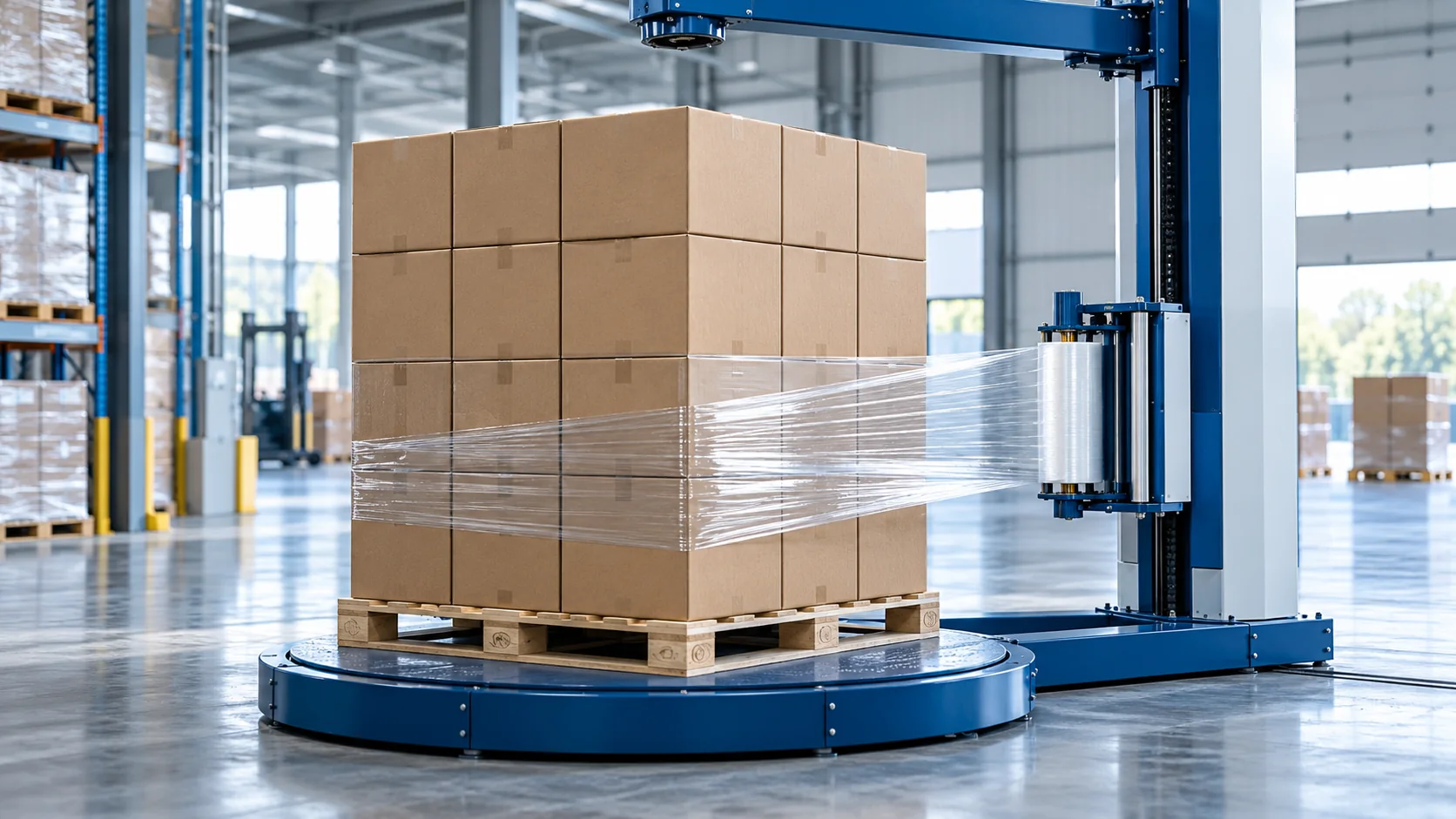
Stretch film is widely used in industrial packaging to secure products on pallets during storage, handling, and transportation. It helps hold goods together, protect products from dust and moisture, and maintain load stability during movement. However, excessive film application can increase packaging expenses and create unnecessary plastic waste.
For manufacturers, warehouses, exporters, and distribution businesses, controlling Stretch Film Usage is an important part of improving packaging operations. The objective is not simply to apply fewer layers but to achieve the required load stability with an appropriate amount of packaging material.
By selecting suitable film, adjusting wrapping settings, improving pallet preparation, and maintaining consistent application techniques, businesses can reduce material consumption without compromising packaging quality.
Why Does Stretch Film Consumption Increase?
Before making improvements, businesses should understand the factors responsible for excessive material consumption.
- Incorrect wrapping settings: Too many rotations or excessive overlap can increase film consumption.
- Unsuitable film selection: Using film that does not match the load requirements may require additional layers.
- Uneven pallet loads: Irregular product arrangements can make secure wrapping difficult.
- Inconsistent application: Different wrapping techniques between operators may result in unnecessary material usage.
- Incorrect film tension: Excessive or insufficient tension can affect load stability and packaging performance.
Monitoring these factors helps businesses identify opportunities for Reduce Stretch Film Waste initiatives and improve their packaging operations.
8 Effective Ways to Reduce Stretch Film Usage
1. Select the Right Stretch Film
Choosing suitable film is one of the first steps toward efficient pallet packaging. Film thickness, width, stretch characteristics, puncture resistance, and load requirements should be considered before selection.
Film that is too thin may tear during application, while unnecessarily thick material can increase packaging costs. Businesses should evaluate different specifications through practical testing and select film that provides suitable performance for their pallet loads.
The correct material can help maintain consistent packaging while supporting better Stretch Film Usage management.
2. Adjust Film Tension and Pre-Stretch Settings
Film tension plays an important role in how effectively a pallet is wrapped. Excessive tension may damage products, cause film breakage, or create unnecessary stress on the load.
Pre-stretch settings should be adjusted according to the film manufacturer's recommendations and the wrapping equipment's capabilities. Proper adjustment can help achieve the required holding force with less material.
Testing approved settings and checking load stability are important parts of Stretch Film Optimization. Businesses should avoid making changes without validating the packaging results.
3. Optimize Wrapping Patterns
The wrapping pattern determines how film is distributed around a pallet. Excessive overlap, unnecessary rotations, and repeated wrapping in the same areas can increase material consumption.
A suitable wrapping pattern should provide sufficient coverage at important areas, particularly around the top, bottom, and corners of the load. The number of rotations should depend on pallet dimensions, product weight, and transportation requirements.
Reviewing wrapping patterns regularly can improve Stretch Film Usage and eliminate unnecessary layers without reducing load protection.
4. Maintain Consistent Pallet Loading
Uneven pallet arrangements can make wrapping difficult. Products extending beyond pallet edges, unstable stacking, and irregular shapes may require additional film to secure the load.
Businesses should standardize pallet preparation wherever possible. Products should be arranged evenly, heavier items should be positioned appropriately, and overhanging cartons should be avoided when the packaging design permits.
A stable pallet structure supports better Stretch Film Usage Optimization because the wrapping process becomes more predictable and requires fewer corrections.
5. Prevent Film Breakage During Application
Film breakage interrupts packaging operations and can lead to material waste. Common causes include sharp product edges, unsuitable film specifications, incorrect tension, damaged rollers, and poor handling.
Businesses should inspect pallet loads for sharp corners and use suitable protective materials when necessary. Equipment components should also be checked regularly to identify damaged rollers or other issues affecting film application.
Preventing repeated film breakage supports Reduce Stretch Film Waste efforts while improving packaging productivity.
6. Review Wrapping Settings Regularly
Packaging requirements can change when product dimensions, pallet weights, film specifications, or transportation conditions change. Therefore, businesses should review their wrapping process instead of relying on identical settings for every load.
A practical review can include measuring film consumption per pallet, checking wrapping consistency, recording film breakage, and testing load stability. Comparing results across different pallet types helps identify where adjustments may be useful.
Regular evaluation supports Stretch Film Optimization and helps businesses maintain consistent packaging standards.
7. Train Packaging Operators
Operator practices can have a direct impact on material consumption. Inconsistent wrapping techniques, incorrect film positioning, and unsuitable tension adjustments may increase waste.
Training should cover correct film loading, wrapping patterns, equipment settings, safety procedures, and inspection requirements. Operators should also understand how different pallet sizes and load types affect wrapping needs.
Standard operating procedures help maintain consistent results across shifts and support better Stretch Film Usage control.
8. Monitor Film Consumption Per Pallet
Measuring material consumption is essential for identifying unnecessary packaging costs. Businesses can record the amount of film used for each pallet or compare total consumption against the number of pallets wrapped.
For example, if similar pallet loads require significantly different quantities of film across shifts, managers can investigate differences in settings or operator techniques.
Tracking these measurements helps businesses evaluate Stretch Film Usage Optimization opportunities and make informed decisions about packaging improvements.
Benefits of Reducing Stretch Film Waste
A controlled wrapping process provides several advantages for manufacturing and logistics operations.
Lower Packaging Costs
Reducing unnecessary film layers can lower the amount of packaging material required for each pallet. Over time, even small improvements can contribute to meaningful savings in high-volume operations.
Less Plastic Waste
Using material efficiently helps reduce discarded film and supports responsible packaging practices. Businesses can also review recycling and waste-management procedures for used stretch film.
Improved Packaging Consistency
Standardized wrapping patterns and equipment settings help create more consistent packaging results. This makes pallet preparation easier to monitor and manage.
Better Operational Efficiency
Fewer film breaks, reduced rewrapping, and consistent application can improve packaging workflows. Employees can spend less time correcting wrapping problems and more time completing planned operations.
Role of Machinery in Efficient Pallet Wrapping
Manual wrapping may be suitable for certain low-volume operations, but businesses with regular pallet packaging requirements may benefit from automated or semi-automated equipment.
A suitable wrapping system can help maintain consistent rotation, film tension, and wrapping patterns. However, the correct settings must still be selected according to the load and film specifications.
Neelkanth Microtech works in the industrial machinery sector and offers packaging machinery solutions for businesses. When evaluating wrapping equipment, manufacturers should consider pallet dimensions, load weight, packaging volume, operating requirements, and available automation features.
A suitable Pallet Stretch Wrapping Machine can support consistent application and help businesses manage their packaging operations more effectively. Equipment selection should always match the actual production and load requirements.
How to Measure Packaging Improvement
Businesses should measure the results of any changes rather than assuming that lower film consumption automatically means better packaging.
Useful performance indicators include:
- Film quantity used per pallet.
- Packaging cost per pallet.
- Number of film breaks.
- Number of pallets requiring rewrapping.
- Load stability during handling and transportation.
- Packaging defects or product damage.
These measurements help businesses balance material savings with packaging performance. Any reduction in film layers or tension should be validated through suitable load testing before becoming a standard procedure.
A regular review of these indicators also supports Stretch Film Usage management and helps identify further opportunities for improvement.
Conclusion
Reducing unnecessary packaging material requires a combination of suitable film selection, correct equipment settings, consistent pallet preparation, operator training, and regular performance monitoring. Businesses should focus on achieving reliable load stability rather than simply minimizing the number of film layers.
Effective Stretch Film Usage management can help lower packaging costs, reduce plastic waste, and improve daily warehouse operations. By reviewing wrapping patterns and measuring material consumption, businesses can identify practical opportunities to improve their packaging processes.
Neelkanth Microtech supports businesses looking for suitable industrial packaging machinery solutions. Choosing appropriate equipment and maintaining consistent wrapping practices can help create a more efficient pallet packaging operation.
Call to Action
Looking to improve your pallet packaging process and control film consumption? Connect with Neelkanth Microtech to discuss your packaging requirements and explore suitable pallet wrapping machinery solutions.
Contact Neelkanth Microtech today to find the right packaging solution for your business.
FAQS
1. How can businesses reduce stretch film usage in pallet packaging?
Businesses can reduce stretch film usage by selecting the right film, adjusting tension and pre-stretch settings, optimizing wrapping patterns, maintaining stable pallet loads, and monitoring film consumption per pallet.
2. What factors increase stretch film consumption?
Stretch film consumption can increase due to excessive wrapping rotations, incorrect film tension, unsuitable film thickness, uneven pallet loading, unnecessary overlap, and inconsistent wrapping practices.
3. How does pre-stretch help reduce stretch film waste?
Pre-stretch extends the film before it is applied to the pallet. When adjusted correctly according to film specifications and equipment capabilities, it can help cover more pallet area with less material while maintaining the required holding force.
4. What is the best way to optimize stretch film usage?
The best approach is to evaluate film specifications, wrapping patterns, tension settings, pallet conditions, and film consumption. Regular testing helps identify the right combination for stable and efficient packaging.
5. How can I measure stretch film consumption per pallet?
Measure the total stretch film used during a specific production period and divide it by the number of pallets wrapped. Tracking this data regularly helps identify excessive usage and opportunities to reduce packaging costs.